
IBRAHIM BABANGIDA MUSA
Volunteer
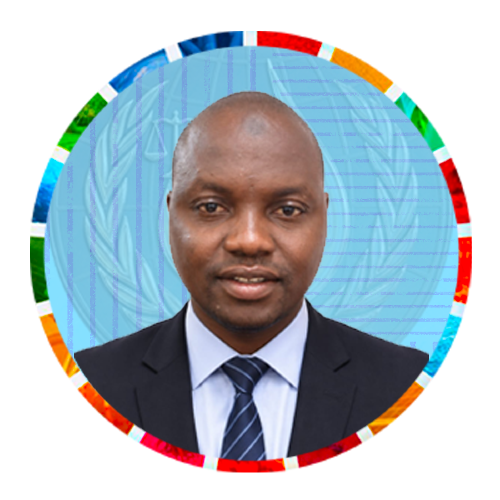
- Name
- IBRAHIM BABANGIDA MUSA
- Position
- Volunteer
- Members page
- Volunteers
- Member ID
- IHRC/231426142NG
- Membership
- Volunteer
- Country
- Nigeria
- Member since
- 23 November 2026
Responsibilities
In a Human Rights Organization, a Volunteer is a person who serves voluntarily without receiving any pay or salary, working to protect human rights, promote social justice, and fulfil the organization's objectives.
In international human rights organizations such as IHRC-USA (International Human Rights Council – USA), volunteers may be assigned important responsibilities.
1. Volunteer – Key Responsibilities
1. Human Rights Awareness
Raising awareness of human rights among the public; participating in seminars, training sessions, and awareness events.
2. Community Support
Assisting affected people, the poor, women, children, the elderly, and marginalized communities.
3. Human Rights Monitoring
Responsibly observing and recording information on human rights violations, and reporting it to the appropriate authorities or the organization's authorized division.
4. Programme Activities
Assisting in activities related to human rights, peace, equality, women's rights, child protection, and the environment.
5. Administrative Assistance
Assisting with document preparation, member communications, event arrangements, reports, and office work.
6. International Cooperation
Supporting international human rights events, campaigns, and the organization's authorized international activities.
2. 20 Official Responsibilities of a Volunteer
Respecting and protecting human rights.
Following the organization's rules and regulations.
Supporting the organization's objectives and policies.
Raising human rights awareness.
Participating in community service activities.
Responsibly reporting information on human rights violations.
Introducing appropriate avenues of assistance to affected people.
Helping to protect the rights of women and children.
Promoting peace and harmony.
Acting without discrimination based on ethnicity, religion, language, or gender.
Assisting in organizing the organization's events.
Participating in meetings and training sessions.
Submitting activity reports.
Protecting the organization's confidential information.
Refraining from misusing the organization's name.
Handling finances and assets responsibly.
Avoiding corruption and malpractice.
Working in coordination with other volunteers.
Protecting the organization's reputation.
Promoting human dignity, equality, and justice.
3. Actions Volunteers Must Not Do
These limits are very important for volunteers in a human rights organization.
Must not issue official statements without the organization's permission.
Must not collect donations or money in the organization's name.
Must not present oneself as a legal advisor or lawyer.
Must not act as an investigating officer or police officer.
Must not spread unverified allegations of human rights violations.
Must not share affected persons' personal information without permission.
Must not appoint members or grant positions without the organization's permission.
Must not use the organization's name for personal benefit.